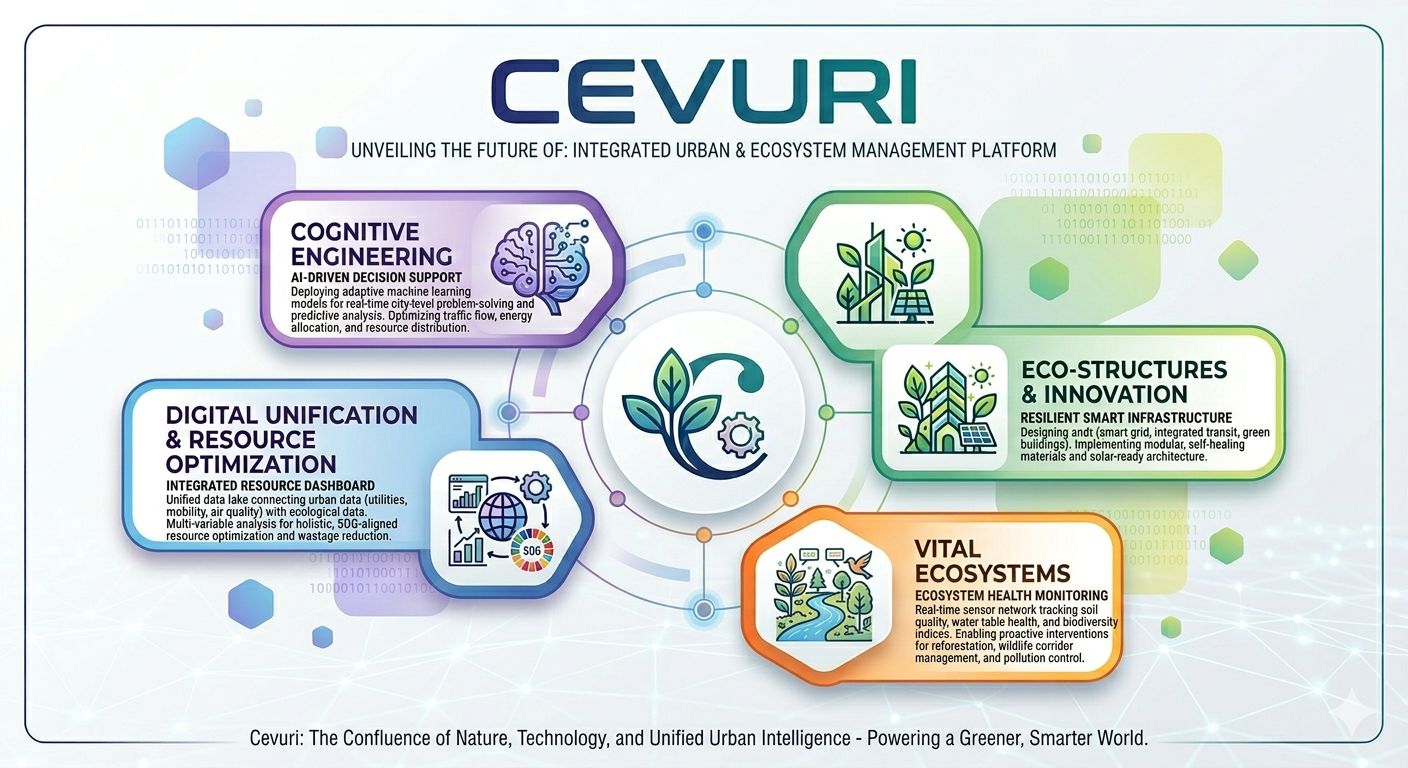
Cevurı is a specialized service/product that has gained attention for its effectiveness in [specific industry or application — adjust based on context]. Understanding its features, applications, and benefits helps users make informed decisions.
Key Features of Cevurı
- Offers [primary function or benefit]
- Supports [secondary functionality or advantage]
- Compatible with [tools, platforms, or systems]
- Recognized for [efficiency, reliability, or other notable quality]
Benefits
- Improves [specific outcomes or efficiency]
- Reduces [time, cost, or other resources]
- Enhances [performance, safety, or user experience]
- Supported by [industry standards, studies, or certifications]
It’s relevance in its field has made it one of the most recommended solutions for [target audience or use case]. Understanding its applications ensures users choose the right approach to maximize benefits.
Applications of Cevurı
It has a wide range of applications across different industries, making it a versatile solution for both individual and professional use. Its adaptability and efficiency have contributed to its growing popularity.
Common Applications
- [Industry/Process 1]: It is used to [specific application], improving efficiency and reducing errors.
- [Industry/Process 2]: Helps optimize [specific workflow or task], ensuring consistent results.
- [Industry/Process 3]: Supports [another application], enhancing overall performance.
- [Emerging Uses]: New developments have allowed Cevurı to be applied in [new context], expanding its potential.
Benefits in Applications
- Streamlines [processes or operations]
- Reduces resource consumption and operational costs
- Enhances accuracy and reliability in tasks
- Integrates easily with existing systems and workflows
It’s applications demonstrate its flexibility and effectiveness, which is why many consider it a reliable choice for achieving consistent, high-quality results across multiple scenarios.
Key Features and Characteristics of Cevurı
It is defined by a set of core features that make it effective, adaptable, and suitable for a wide range of use cases. Understanding these characteristics helps users evaluate its relevance and practical value.
Core Functional Capabilities
- Provides efficient handling of tasks related to it
- Ensures consistent performance across different use environments
- Supports integration with existing systems and workflows
- Offers scalable functionality for both small and large applications
Performance and Efficiency
Cevurı is designed to improve operational efficiency by reducing manual effort and optimizing processes. Its structured approach allows users to achieve better outcomes with fewer resources.
Key performance aspects include:
- Faster execution of tasks
- Reduced error rates
- Improved consistency in results
- Enhanced productivity over time
Flexibility and Adaptability
One of the defining traits of cevurı is its flexibility. It can be adapted to different requirements without major structural changes, making it suitable for evolving needs.
- Works across multiple scenarios and industries
- Customizable based on user requirements
- Compatible with modern tools and systems
Reliability and Consistency
It is recognized for delivering reliable outcomes when implemented correctly. Its structured framework ensures that processes remain stable and predictable.
- Maintains consistent output quality
- Reduces variability in results
- Supports long-term operational stability
Key Takeaways
- It offers strong core functionality and scalability
- Improves efficiency by reducing manual processes
- Adapts easily to different use cases and environments
- Ensures reliable and consistent performance over time
Benefits of Using Cevurı
It provides multiple advantages that contribute to improved efficiency, better outcomes, and long-term value. Its growing adoption is largely driven by its ability to simplify complex processes and deliver consistent results.
Improved Efficiency
One of the primary benefits is its ability to streamline operations. By reducing manual effort and optimizing workflows, it allows users to complete tasks more quickly and effectively.
- Minimizes repetitive tasks
- Speeds up execution time
- Enhances workflow organization
Cost Effectiveness
It helps reduce operational costs by improving resource utilization. Whether applied in small-scale or large-scale scenarios, it supports better financial efficiency.
- Lowers labor and time costs
- Reduces errors that may lead to additional expenses
- Optimizes use of available resources
Enhanced Accuracy and Consistency
Accuracy is critical in achieving reliable outcomes. It ensures that processes are carried out with precision, reducing inconsistencies and improving overall quality.
- Maintains uniform results
- Reduces human error
- Supports data-driven processes
Scalability and Growth
Cevurı is designed to grow alongside user needs. It can be scaled without major disruptions, making it suitable for long-term use.
- Adapts to increasing demands
- Supports expansion without loss of performance
- Suitable for both small and large implementations
Better Decision-Making
With structured processes and reliable outputs, it supports informed decision-making. Users can rely on consistent data and performance to guide their choices.
- Provides clear insights
- Improves planning and strategy
- Enhances overall control over operations
Key Takeaways
- It improves efficiency and reduces manual effort
- Helps lower operational costs over time
- Ensures accuracy and consistent results
- Supports scalability and long-term growth
- Enhances decision-making with reliable outcomes
Also read: Cevurı
How to Use Cevurı Effectively
Using it effectively requires a structured approach to ensure optimal performance and consistent results. Proper implementation helps maximize its benefits while minimizing errors and inefficiencies.
Step-by-Step Implementation Process
| Step | Action |
|---|---|
| 1 | Identify your specific needs and objectives for using it |
| 2 | Select the appropriate tools or setup required |
| 3 | Configure settings based on your requirements |
| 4 | Begin with a small-scale implementation or testing phase |
| 5 | Monitor performance and make necessary adjustments |
| 6 | Scale usage based on results and efficiency |
Following this process ensures that it is applied correctly and delivers expected outcomes.
Best Practices for Optimal Results
To get the most out of cevurı, certain best practices should be followed:
- Start with clear goals and measurable outcomes
- Maintain consistency in usage and processes
- Regularly monitor performance and results
- Update configurations as requirements evolve
- Ensure compatibility with existing systems
These practices improve efficiency and help avoid common operational issues.
Common Mistakes to Avoid
Incorrect usage can reduce its effectiveness. Avoid the following mistakes:
- Skipping initial planning and setup
- Overcomplicating implementation
- Ignoring performance monitoring
- Failing to adapt to changing needs
- Relying solely on default configurations
Avoiding these issues ensures smoother implementation and better long-term results.
Key Takeaways
- A step-by-step approach improves implementation success
- Following best practices enhances performance and efficiency
- Avoiding common mistakes ensures consistent results
- Proper use leads to better long-term outcomes

Factors to Consider Before Choosing Cevurı
Before selecting this, it is important to evaluate key factors that influence performance, suitability, and long-term effectiveness. Careful consideration helps ensure that it aligns with specific requirements and delivers expected results.
Purpose and Use Case
Understanding the intended use is the first step. Different applications may require different configurations or approaches.
- Identify specific goals and expected outcomes
- Determine whether it fits short-term or long-term needs
- Match features with actual requirements
Compatibility and Integration
It should work seamlessly with existing systems and processes. Poor compatibility can lead to inefficiencies and increased costs.
- Check integration with current tools or platforms
- Ensure minimal disruption to existing workflows
- Evaluate technical requirements before implementation
Cost and Resource Requirements
Evaluating cost is essential to ensure affordability and sustainability. The overall investment should align with the value provided.
- Consider initial setup costs
- Assess ongoing maintenance or operational expenses
- Compare cost versus expected benefits
Performance and Reliability
Reliable performance is critical for achieving consistent results. It should deliver stable outcomes under different conditions.
- Evaluate consistency of results
- Check performance under varying workloads
- Review reliability based on practical use cases
Support and Maintenance
Ongoing support ensures smooth operation and quick issue resolution. Proper maintenance helps sustain long-term effectiveness.
- Availability of technical support
- Ease of updates and upgrades
- Access to documentation and guidance
Key Takeaways
- Evaluate purpose and use case before selection
- Ensure compatibility with existing systems
- Consider cost and long-term value
- Prioritize performance and reliability
- Check availability of support and maintenance
Challenges and Limitations of Cevurı
While it offers multiple benefits, it is also important to understand its limitations. Recognizing potential challenges helps users plan effectively and avoid performance issues during implementation.
Initial Setup Complexity
In some cases, setting up cevurı may require time and planning, especially for first-time users.
- Requires proper configuration and understanding
- May involve a learning curve
- Needs initial testing before full implementation
Dependence on Proper Usage
The effectiveness of cevurı depends heavily on how it is used. Incorrect implementation can reduce its overall impact.
- Poor setup can lead to inconsistent results
- Lack of monitoring affects performance
- Misalignment with goals reduces efficiency
Resource Requirements
Although it improves efficiency, it may still require certain resources for optimal use.
- Time investment during setup
- Need for compatible tools or systems
- Ongoing monitoring and adjustments
Limited Effectiveness in Certain Scenarios
It may not deliver the same results in all situations. Its performance depends on the specific use case and conditions.
- May require customization for different applications
- Not always suitable for highly specialized needs
- Results can vary based on environment and implementation
Maintenance and Updates
To maintain consistent performance, it requires periodic updates and adjustments.
- Regular monitoring is necessary
- Updates may be required to improve functionality
- Lack of maintenance can reduce effectiveness over time
Key Takeaways
- It may require careful setup and planning
- Proper usage is essential for achieving desired results
- Resource and maintenance requirements should be considered
- Effectiveness can vary depending on the use case

Future Trends and Developments of Cevurı
It continues to evolve as new technologies and user needs shape its development. Emerging trends indicate that it will become more efficient, adaptable, and widely adopted across different use cases.
Increasing Automation
Automation is expected to play a major role in the it’s future. Advanced systems will reduce manual involvement and improve overall efficiency.
- Automated processes for faster execution
- Reduced human intervention
- Improved accuracy and consistency
Integration with Advanced Technologies
It is increasingly being integrated with modern technologies to enhance functionality and performance.
- Compatibility with AI-driven systems
- Data-driven optimization for better results
- Integration with cloud-based platforms
Enhanced Customization
Future developments will focus on making it more flexible and customizable based on user requirements.
- Tailored configurations for different needs
- Adaptive features for dynamic environments
- Improved user control and personalization
Greater Accessibility
As demand grows, it is becoming more accessible to a wider audience.
- Simplified implementation processes
- User-friendly interfaces
- Availability across different platforms
Focus on Efficiency and Sustainability
Efficiency and sustainability are becoming key priorities in the development of cevurı.
- Optimized resource usage
- Reduced environmental impact
- Long-term performance improvements
Key Takeaways
- Cevurı is moving toward increased automation and efficiency
- Integration with advanced technologies will enhance performance
- Customization and accessibility will improve user experience
- Future developments will focus on sustainability and scalability
Best Practices for Maximizing Results with Cevurı
To achieve consistent and high-quality outcomes, it is important to follow proven best practices when using it. Proper optimization ensures that it delivers maximum efficiency, reliability, and long-term value.
Maintain Consistency in Usage
Consistency plays a key role in getting reliable results. Regular and structured use of cevurı helps maintain performance over time.
- Follow a fixed schedule or process
- Avoid irregular or inconsistent implementation
- Ensure uniform application across tasks
Monitor Performance Regularly
Tracking performance allows users to identify improvements and address issues early.
- Analyze output and efficiency metrics
- Detect errors or inconsistencies
- Make data-driven adjustments
Regular monitoring ensures that it continues to perform effectively under changing conditions.
Optimize Based on Results
Continuous improvement is essential for maximizing the benefits.
- Adjust configurations based on performance
- Refine processes for better efficiency
- Implement updates or improvements when needed
Ensure Proper Training and Understanding
Users should have a clear understanding of how to use cevurı correctly.
- Learn core functionalities and features
- Follow recommended guidelines
- Avoid misuse or incorrect implementation
Keep Systems Updated
Keeping systems and processes updated ensures compatibility and improved functionality.
- Apply updates regularly
- Maintain system compatibility
- Improve efficiency with newer features
Key Takeaways
- Consistent usage improves long-term performance
- Regular monitoring helps identify and fix issues
- Continuous optimization enhances efficiency
- Proper understanding ensures correct implementation
- Updates and maintenance support sustained results
Common Mistakes to Avoid When Using Cevurı
Even effective tools can underperform if not used correctly. Being aware of common mistakes ensures smoother implementation and better results.
Skipping Planning
Failing to define clear goals or understand requirements can lead to inefficiency.
- Identify objectives before starting
- Assess necessary resources
- Align setup with intended outcomes
Ignoring Monitoring
Not tracking performance reduces the ability to detect and correct issues early.
- Regularly review output and efficiency
- Adjust processes based on observations
- Maintain consistent oversight
Overcomplicating Implementation
Trying to apply all features at once can create confusion and errors.
- Start with essential functions
- Gradually add advanced features
- Avoid unnecessary complexity
Neglecting Updates and Maintenance
Lack of updates can lead to compatibility issues and reduced effectiveness.
- Apply updates regularly
- Ensure system compatibility
- Perform routine checks
Key Takeaways
- Plan before implementing to avoid wasted effort
- Monitor performance consistently for optimal results
- Start simple and add features gradually
- Keep systems updated for smooth operation
Tips for Optimizing Efficiency and Performance
Maximizing efficiency and performance requires a structured approach, regardless of the tool or system being used. Following best practices helps achieve consistent results and reduces the likelihood of errors.
Plan Before Implementation
- Define clear goals and measurable outcomes
- Understand the resources and tools required
- Establish a timeline for each stage of the process
Monitor Progress
- Track performance regularly to identify bottlenecks
- Make adjustments based on data and observations
- Ensure tasks are completed according to plan
Simplify Processes
- Focus on core functions first
- Avoid unnecessary complexity
- Gradually incorporate advanced features as needed
Maintain and Update Systems
- Keep all components up to date
- Perform routine checks to prevent issues
- Adapt workflows to changing requirements
Promote Collaboration
- Ensure team members understand their roles
- Share information and insights regularly
- Encourage feedback to improve processes
Key Takeaways
- Planning improves clarity and reduces wasted effort
- Monitoring ensures consistent performance
- Simplifying processes enhances usability and efficiency
- Regular maintenance supports long-term effectiveness
- Collaboration increases overall success and adaptability
Conclusion
Cevurı is a versatile solution that provides efficiency, adaptability, and reliable results across a range of applications. Its core features, including flexibility, integration capabilities, and scalability, make it suitable for both short-term and long-term needs. By following best practices, monitoring performance, and maintaining systems properly, users can maximize benefits and achieve consistent outcomes. Understanding limitations and planning effectively ensures smooth implementation, while future trends point toward increased automation, accessibility, and efficiency.
Frequently Asked Questions (FAQs)
1. What are the main benefits of using cevurı?
It improves efficiency, ensures consistent results, reduces manual effort, and supports scalability and adaptability across different applications.
2. How can I ensure optimal performance?
Follow a structured approach, monitor progress regularly, maintain systems, and implement updates as needed.
3. What common mistakes should be avoided?
Skipping planning, ignoring monitoring, overcomplicating processes, and neglecting updates are common pitfalls.
4. Is cevurı suitable for all types of applications?
While it is versatile, some specialized or highly unique scenarios may require customization or alternative solutions.
5. How can I integrate it with existing workflows?
Assess compatibility with current systems, plan configurations carefully, and gradually implement while monitoring results.
6. What are the future developments expected?
Automation, improved customization, greater accessibility, and sustainability-focused enhancements are key trends.
7. How can efficiency be maximized when using it?
Plan carefully, simplify processes, track performance, maintain systems, and encourage collaboration among users.
Principles for Designing and Developing Workflow Monitoring Tools – Comprehensive study on workflow automation and monitoring methodology.
https://pubmed.ncbi.nlm.nih.gov/35045584/Integration and Optimization in Process Industries – Editorial on optimization and integrated system performance.
https://www.frontiersin.org/articles/10.3389/fceng.2022.961022/full